Please ensure Javascript is enabled for purposes of website accessibility

Medical Aids

More about Medical Aids
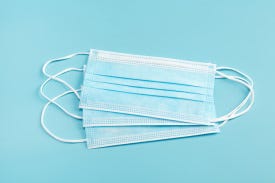
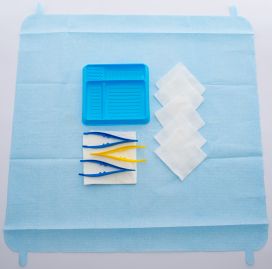
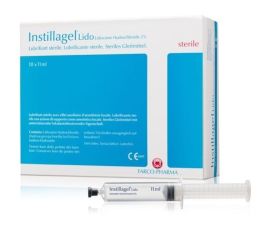
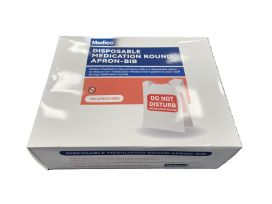
The medical aids at Independence Australia include a range of lift and transfer products, medical instruments, medical supplies, face masks, medication management and waste management products. Lift and transfer products such as slide sheets and transfer belts, assist with patient transfers. Medical Instruments include forceps, injection trays, masks and more. Our range of masks will help limit the transmission of germs and bacteria. Our range of waste management products consist of disposable bags for vomiting and medical syringe disposal containers. Independence Australia also has the perfect range of medication organisers to help you manage your medication. Browse through our great range of medical aids today.

Medical Aids Frequently Asked Questions

What medical equipment should I have at home?

Useful medical equipment to keep at home may include a thermometer, basic first aid supplies, wound dressings, gloves and items recommended by your healthcare professional. The right products depend on your health needs, mobility and care requirements. Individuals managing chronic conditions might benefit from having blood pressure monitors, blood glucose testing devices or pulse oximeters readily available to monitor ongoing health concerns. For those with reduced mobility or specific care needs, aids such as shower chairs, transfer benches or mobility supports can significantly enhance day-to-day safety and comfort. It's important to consult your healthcare provider to ensure each item suits your unique situation. 

What should be in a first aid kit?

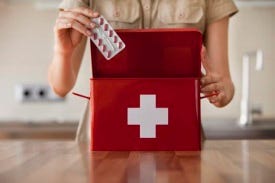
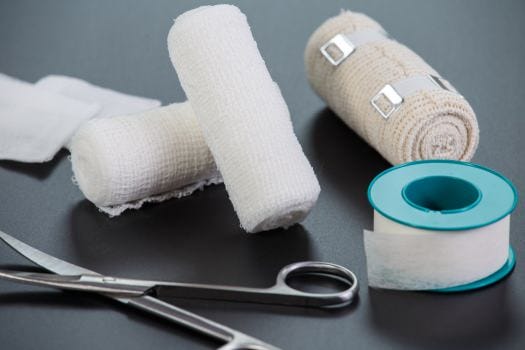
A basic first aid kit should include essentials such as plasters, sterile dressings, bandages, antiseptic products, gloves, scissors, tape and a first aid guide. It’s also important to check expiry dates and replace used items regularly. Consider including items tailored to your family's specific health conditions, such as asthma inhalers, allergy medications, or personal care supplies approved by a healthcare professional. Ensuring your kit is both accessible and well-organised allows for quick, confident action in an emergency. Familiarising yourself with the contents and their uses can provide peace of mind, knowing you are prepared to manage minor injuries or health needs at home. 

What is enteral feeding?

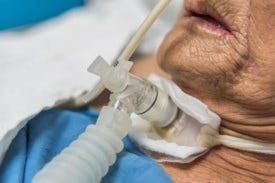
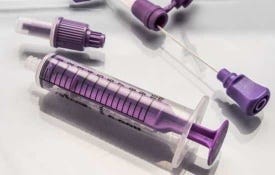
Enteral feeding is a way of delivering nutrition directly into the stomach or small intestine through a feeding tube. It may be recommended for people who cannot safely eat or drink enough by mouth. This method is often used to support individuals with a variety of underlying medical conditions or those recovering from surgery or illness, ensuring they receive the necessary nutrients for their wellbeing. Enteral nutrition can help maintain healthy weight, support wound healing, and provide energy for daily activities, making it a vital option for many living with chronic or acute health needs. The choice of enteral feeding tube and the type of nutritional formula required will depend on the person’s unique requirements and is typically guided by a healthcare professional. 

Where to dispose of sharps containers?

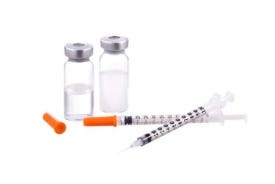
Sharps containers should be disposed of through approved collection points, such as pharmacies, council facilities, hospitals or community sharps disposal services. Disposal options vary by location, so check with your local council or healthcare provider for guidance. Using a specifically designed sharps container ensures needles, lancets, or other medical sharps are securely contained, reducing the risk of injury or contamination for yourself and others in your household. Safe disposal helps protect waste management workers and minimises harm to the community and the environment. Always seal the container as directed and never place loose sharps in regular bins. If you are uncertain about local disposal resources, many healthcare organisations provide up-to-date information or listings of nearby collection points to help you manage sharps waste responsibly and confidently. 

Please note: The information supplied is general in nature. Please consult your medical practitioner for individual advice.

Loading...