Please ensure Javascript is enabled for purposes of website accessibility

Urology (Catheters, Drainage & Urinals)

More about Urology (Catheters, Drainage & Urinals)
Independence Australia carries a range of Urology equipment supplies, including catheters, catheter packs, valves, condom drainage, drain bags and accessories, leg bags and more. We stock catheter care and other urology products to support your medical needs. Sterile and made from high quality medical grade material, all our urology products are designed to support you and make medical issues easier to deal with. Independence Australia have all your incontinence aids, including catheters online and catheter care products to help make managing incontinence a more discreet and easy process.

Urology Frequently Asked Questions

What is urology? 

Urology is the area of medicine that focuses on the urinary tract and in many cases, the male reproductive system. Urologists specialise in treating urinary incontinence, issues with the kidneys and bladder including kidney stones and cancer, prostate health, and conditions such as urinary tract infections. They provide care for people facing challenges with bladder control, pelvic floor disorders, and post-surgical urinary management. 

What is a catheter?

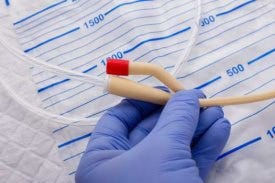
A urinary catheter is a hollow flexible tube that is used to drain urine directly from the bladder in people that are unable to empty it normally. It may be inserted through the urethra or, in some cases, through a small opening in the lower abdomen, depending on the type of catheter and the person’s needs. Some catheters are used temporarily to empty the bladder and are then removed, while others remain in place and drain urine into a collection bag. Catheters are commonly used to help manage urinary retention, support recovery after surgery, or assist with ongoing bladder management. Common types of catheters include intermittent, indwelling and external catheters. 

What is an ostomy?

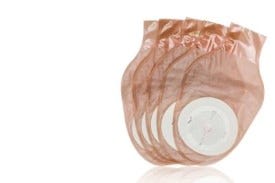
An ostomy is a surgical procedure that creates an opening called a stoma in the abdominal wall to allow waste to leave the body. Depending on the type of surgery, an ostomy may be temporary or permanent, and can include procedures such as a colostomy, ileostomy, or urostomy. The waste is collected in a specially designed pouch worn on the outside of the body. Ostomy products are designed to help manage this comfortably, securely, and discreetly in everyday life. 

What is a catheter leg bag used for?

A catheter leg bag is used to collect urine from a catheter, designed to be worn discreetly under clothing during the day. It is positioned below the bladder to allow it to drain properly, ensuring a consistent flow of urine throughout the user's daily activities. It is extremely important that the bag is well supported and emptied frequently (when half to two thirds full) to avoid the bag becoming too heavy so that the bag cannot slip or drag on the catheter. 

At night, the leg drainage bag can be connected to a larger night bag, usually with a capacity of two litres. Leg bags and most catheter valves should be changed every 7 daysor as directed by your healthcare professional. 

What is the difference between an indwelling catheter and an intermittent catheter?

An indwelling catheter stays in the bladder and drains urine continuously into a bag, while an intermittent catheter is inserted to empty the bladder and then removed. 


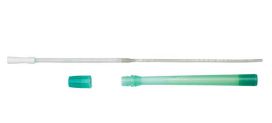
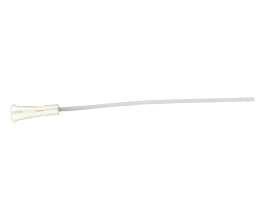
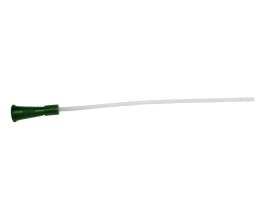
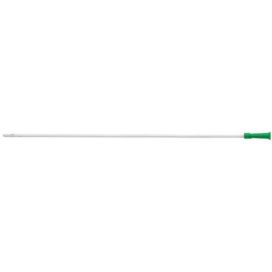
For some people who need ongoing bladder management, intermittent catheters may be preferred to indwelling catheters because they are used to empty the bladder and are then removed. Users should be taught to insert these themselves, usually into the bladder through the urethra. These sterile catheters are usually pre-lubricated to reduce friction and make insertion easier and more comfortable for the user. They are open on one end to allow drainage into the toilet or be attached to a bag and can be removed once the flow of urine stops. These are disposable products, and a new catheter should be used each time to reduce the risk of infection.  


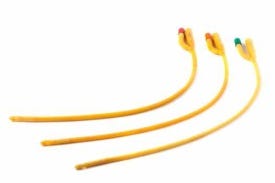
Indwelling catheters are designed for ongoing bladder drainage and stay in place to drain urine into a catheter bag. A small balloon filled with sterile water holds the catheter in position, helping reduce the need for repeated insertions. Indwelling catheters are usually changed by a healthcare professional based on medical advice, often at least every 3 months, while catheter drainage bags are changed regularly, commonly around once a week or sooner if needed.

What is an external catheter?

An external catheter is a urine collection device worn outside the body, rather than inserted into the bladder. External catheters are commonly used to help manage urinary incontinence and are available in options designed for both men and women. Male external catheters are typically worn over the penis and connected to a drainage bag, while female external catheter devices are designed to sit against the body externally to help collect urine. They offer a less invasive option for some people who need urinary drainage support. 

Please note: The information supplied is general in nature. Please consult your medical practitioner for individual advice.

Loading...