Please ensure Javascript is enabled for purposes of website accessibility

Wound Care

More about Wound Care
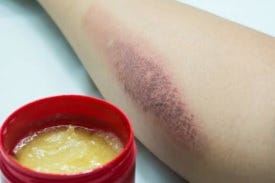
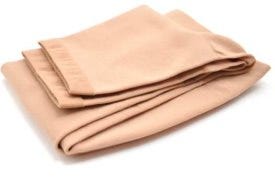
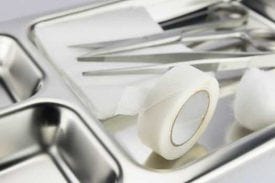
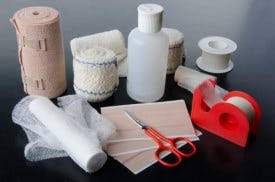
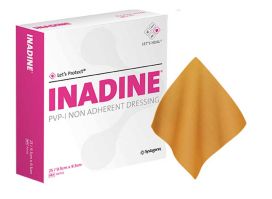
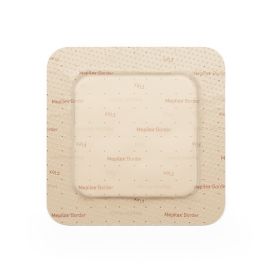
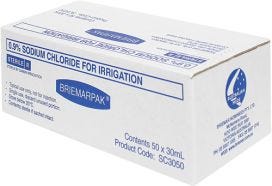
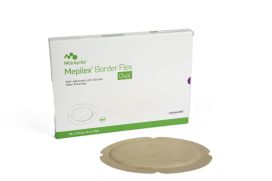
Independence Australia stock a large range of wound care supplies. Our wound dressings including gels, alginates (a seaweed derivative), films, foams, silicone and a variety of antimicrobial dressings which include enzymes, silver, medical honey and iodine. To assist with wound healing and wound care management, Independence Australia stock an extensive range of wound care bandages and bandage systems, tapes and wound irrigation solutions. Our quality wound care range also includes compression aids for all parts of the body, including compression knee high stockings, thigh high compression stockings, waist high stockings, body stockings and a variety of compression socks and stocking applicators. Browse Independence Australia’s quality wound care range today, and enjoy shipping, straight to your door.

Wound Care Frequently Asked Questions

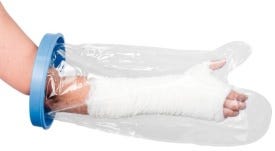
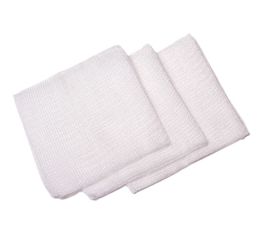
At Independence Australia, we provide a wide range of wound care products designed to support safe and effective healing at home. Our selection ranges from dressings and bandages, gauze pads, sterile wipes, and tapes, to scar management and limb protection products. We source clinically proven brands to ensure that both minor and more complex wounds can be managed appropriately with reliable, high-quality materials. Whether you are seeking moisture-retentive dressings for faster tissue repair or gentle adhesive options for sensitive skin, our product range is curated to meet your needs. 

How often should I change the dressing on a wound?

When caring for a wound, most wound dressings should be changed every 1 to 3 days, or whenever the dressing becomes dirty or wet. Frequently changing dressings can help to keep the wound clean and reduce the risk of infection, helping the skin and tissue to heal quickly. Some dressings are designed to remain in place for longer, so always be sure to follow the product's instructions, or the advice of a healthcare professional. 

How do you know if a wound is infected? 

Infected wounds should be taken seriously and evaluated by a healthcare professional as soon as possible. Without the correct treatment and care, wounds can easily become infected. Signs of an infection can include fever or chills, sweating, redness beyond the edge of the wound, an increase in pain, pus and discharge, bad smells, and the area feeling warm to the touch. If any of these symptoms develop, it is important to consult a healthcare provider to prevent complications. 

How do I clean a wound?

To effectively clean a wound, start by thoroughly washing your hands with soap and water to prevent infection. If the wound is bleeding, apply gentle but firm pressure with a clean cloth or sterile bandage to help stop the bleeding. Raising the injured area above the level of your heart can also slow blood flow and reduce bleeding.  

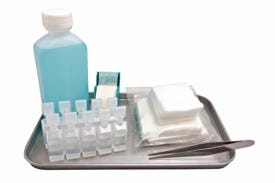
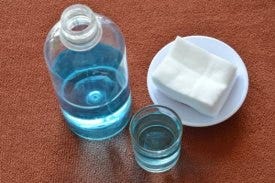
Once bleeding is controlled, rinse the wound under clean, running tap or bottled water for several minutes to remove dirt and debris. If needed, use sterile wipes to gently clean the area. Carefully remove any visible particles from the wound with sterilized tweezers. You can clean the skin around the wound with mild soap and water, taking care not to get soap directly into the wound itself. Pat the area dry with a clean towel or gauze before covering it with a sterile dressing if needed. 

Will a wound heal faster covered or uncovered?

Most wounds will heal faster when covered with an appropriate dressing. These can help to maintain a moist healing environment around the wound and protect it from bacteria and irritation. Covered wounds are also less likely to become contaminated by dirt or debris, which can lower the risk of developing an infection. Using the right wound care products and changing dressings at the recommended intervals can contribute to optimal healing and safer at-home care. 

What's the difference between a wound dressing and a wound bandage?

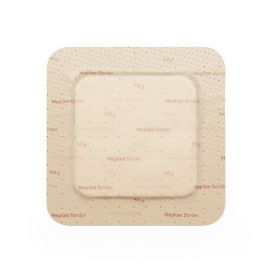
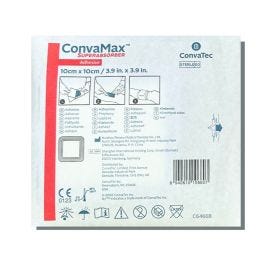
Bandages and dressings are two types of wound care products you'll encounter most commonly, and serve different purposes, usually together. A dressing is a soft pad that is designed to be placed directly onto the wound, helping to absorb excess fluid, protect the injury from dirt and bacteria, and support the body's natural healing process. Dressings often help maintain the right moisture balance, which can promote faster recovery and lower infection risk. 

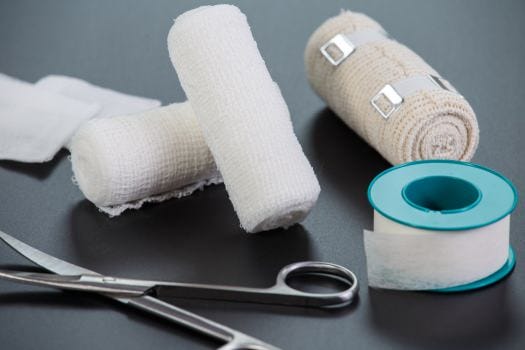
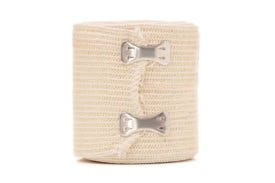
A bandage is used to secure the dressing in place and may provide additional support or compression around the wound site. Bandages are generally not intended to touch the wound directly but instead stabilize the area and prevent the dressing from shifting. Using both dressings and bandages appropriately ensures that wounds remain protected, clean, and optimally supported throughout the healing process.

How long does a wound take to heal?

The time taken for a wound to heal depends on its size, location, and depth, as well as how it is treated. Most minor wounds, such as small cuts or scrapes, begin to close within a few days and may heal completely in one to two weeks if kept clean and properly protected. 

Deeper wounds or those in areas that move frequently, like joints or hands, can take longer to mend because movement can interrupt the healing process. Factors like age, overall health, circulation, and the presence of underlying conditions such as diabetes can also influence the rate of recovery. 

Providing proper wound care at home such as keeping the wound clean, using recommended wound care products, and changing dressings as directed supports timely healing. If a wound appears not to be healing, worsens, or shows signs of infection after several days, it is important to seek advice from a healthcare provider to prevent complications and ensure you achieve the fastest possible recovery. 

Please note: The information supplied is general in nature. Please consult your medical practitioner for individual advice.

Loading...